Types of wheat flour: atta, maida, sooji and dalia
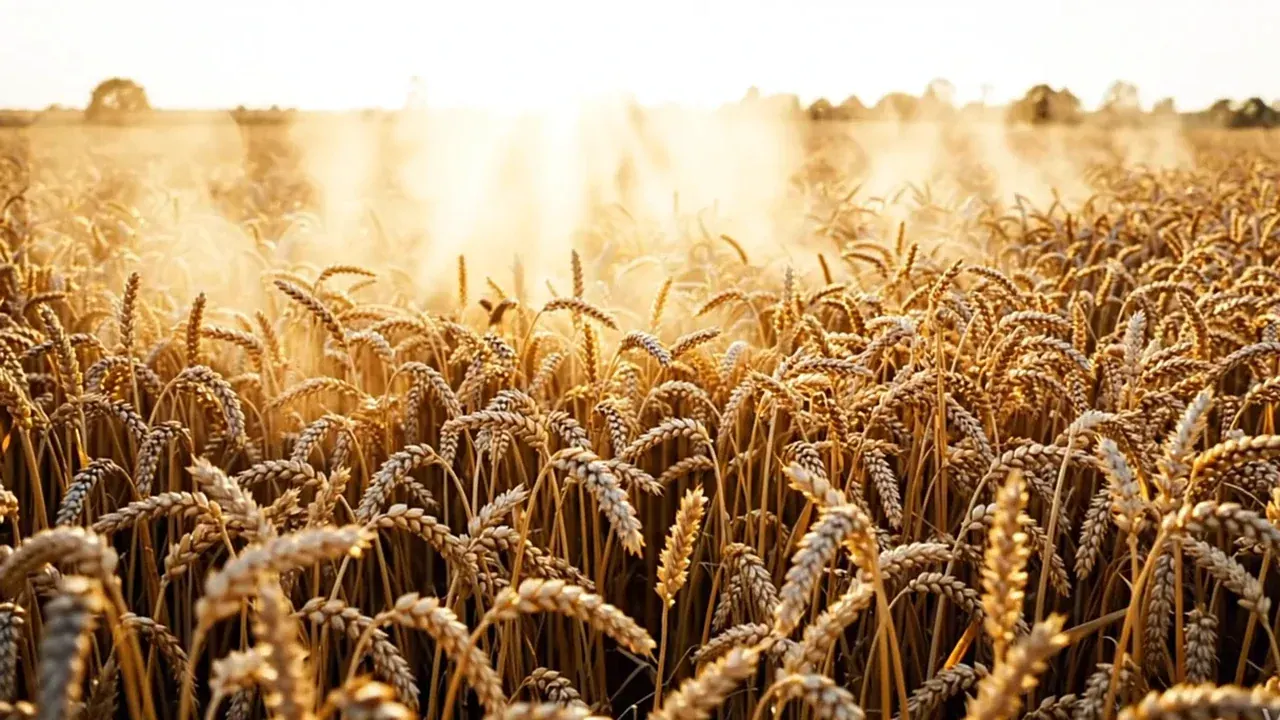
Four products from one grain
| What it is | Texture | Used for | |
|---|---|---|---|
| Atta | Whole wheat milled into flour — bran, germ and endosperm | Fine, slightly coarse | Roti, phulka, paratha, puri |
| Maida | Refined flour from the endosperm only | Very fine, white | Naan, bhatura, samosa pastry, cakes |
| Sooji (rava) | Coarse granules of the endosperm | Granular | Upma, halwa, rava dosa |
| Dalia | Whole wheat cracked into pieces | Coarse pieces | Porridge, upma, khichdi |
Atta
Atta keeps the whole grain, so it has more fibre than refined flour and a light brown colour. Chakki atta is atta ground between stones, which gives it its slightly granular feel.
Maida
Maida is made after the bran and germ are removed, leaving the starchy endosperm, which is milled very fine. It gives soft, stretchy doughs for naan and bakery items.
Sooji (rava)
Sooji is also made from the endosperm, but milled into coarse granules rather than flour. It cooks quickly and gives upma and halwa their grainy texture.
Dalia
Dalia is the whole wheat grain cracked into pieces instead of ground into flour. Because the whole grain is used, it keeps the bran and germ, like atta.