Atta vs maida: what’s the difference?
The short answer
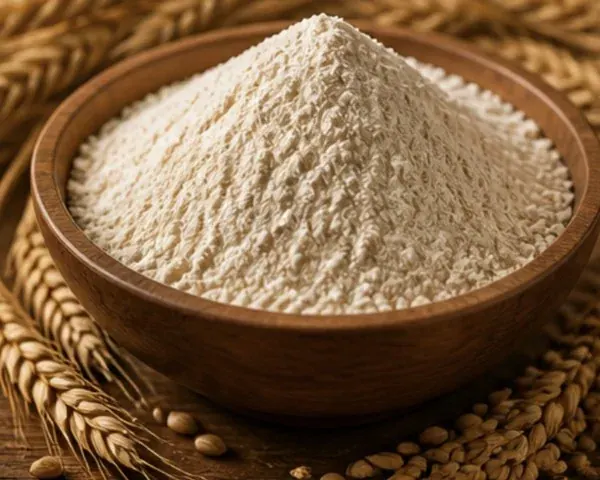
Atta is whole wheat flour: the bran, germ and endosperm are milled together. Maida is refined wheat flour: the bran and germ are removed and only the starchy endosperm is milled very fine, which is why maida is white and silky.
Side by side
| Atta | Maida | |
|---|---|---|
| Part of the grain | Whole grain — bran, germ, endosperm | Endosperm only |
| Colour | Cream to light brown, bran specks | White |
| Texture | Slightly coarse | Very fine and smooth |
| Dietary fibre | Higher — the bran is kept | Lower — the bran is removed |
| Typical uses | Roti, phulka, paratha, puri | Naan, bhatura, samosa pastry, cakes, bread |
How to check your atta has no maida
- Read the ingredients. Whole wheat atta should list whole wheat — not “wheat flour (maida)” or refined wheat flour.
- Look for a “no maida” statement on the pack, and the FSSAI licence number, which every packed food in India must carry.
- Open the pack: whole wheat atta is cream to light brown with fine bran specks, not bright white.
Where Samriddhi Bhog stands
Samriddhi Bhog Chakki Atta lists one ingredient — whole wheat — and no maida is blended in. Our approximate nutrition values per 100 g are on the nutrition page.