How to store atta so it stays fresh
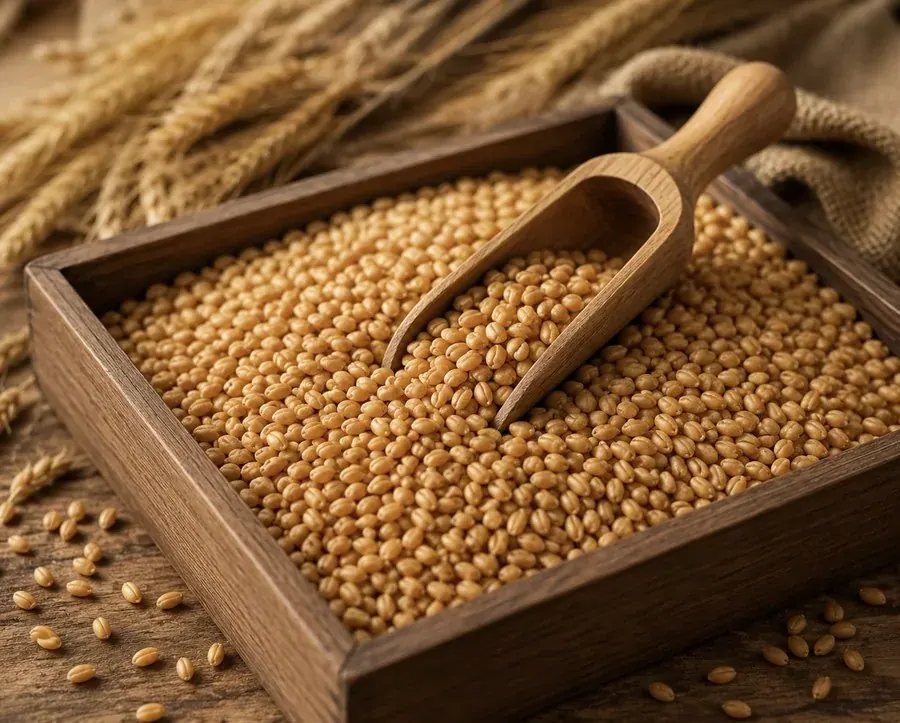
Why atta goes stale
Atta is made from the whole grain, including the germ, which contains natural oils. Over time — faster in warm weather — those oils can make flour taste stale or bitter. Moisture causes lumps and invites mould and insects.
Everyday storage
- After opening, move the atta into a clean, completely dry, airtight container — steel, glass or food-grade plastic.
- Keep it in a cool, dry spot, away from the stove, the sink and direct sunlight.
- Always use a dry spoon or dry hands. A wet spoon is the most common reason for lumps.
- Don’t top up old flour with new. Finish the container, clean and dry it, then refill.
- Buy the pack size you will use up comfortably — 1 kg for small households, 5 kg for regular roti makers.
- Use it before the best-before date printed on the pack.
During the monsoon and humid weather
- Keep the container tightly closed between uses.
- If your kitchen is very hot and humid, store the airtight container in the fridge, and let the flour come to room temperature before opening to avoid condensation.
- Many households add a few dried bay leaves to the container. It is a traditional habit — not a substitute for an airtight container.
How to tell if atta has gone off
If you notice any of these, don’t use the flour.
- A sour, musty or bitter smell instead of a mild wheat smell.
- Hard lumps that don’t break apart, or visible damp patches.
- Insects, larvae or fine webbing in the flour.
Storing kneaded dough
Keep leftover dough in a covered box in the fridge and use it within a day. Let it come to room temperature and knead it briefly before rolling.
The same rules for besan, dalia and sattu
Besan, dalia and sattu keep best the same way: airtight, cool, dry and scooped with a dry spoon.