How to choose good atta: a practical checklist
On the pack
- Ingredients: whole wheat atta should list whole wheat, nothing else.
- FSSAI licence number: every packed food sold in India must print one.
- Packing and best-before dates: choose a pack with a recent packing date.
- Manufacturer details: a name and address you can contact.
- Pack size: pick one you will finish while it is fresh.
When you open it
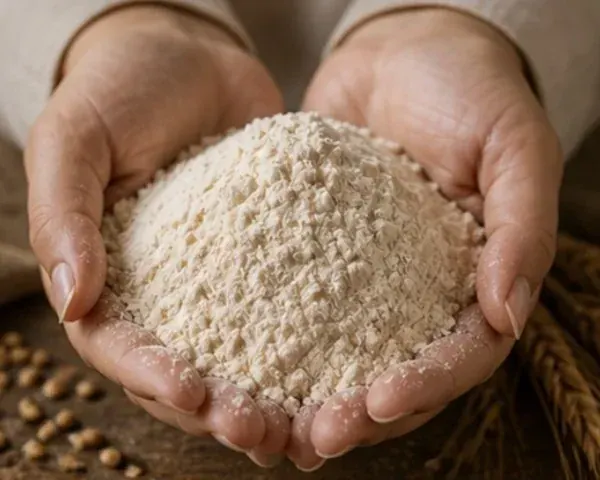
- Colour: cream to light brown with fine bran specks. Very white flour suggests refined flour.
- Smell: mild and wheaty. Musty, sour or bitter smells mean old or badly stored flour.
- Feel: dry and free-flowing, without hard lumps.
When you knead it
- Good atta comes together into a soft, smooth dough with steady kneading.
- Rested dough rolls out without cracking at the edges.
- Rotis cook evenly and puff on a hot flame.
What Samriddhi Bhog publishes
Our Chakki Atta lists whole wheat as its only ingredient. Our FSSAI licence number, owner details and approximate nutrition values are all published on this website — the same pages the QR code on our packs opens.