Besan vs sattu: what’s the difference?
The short answer
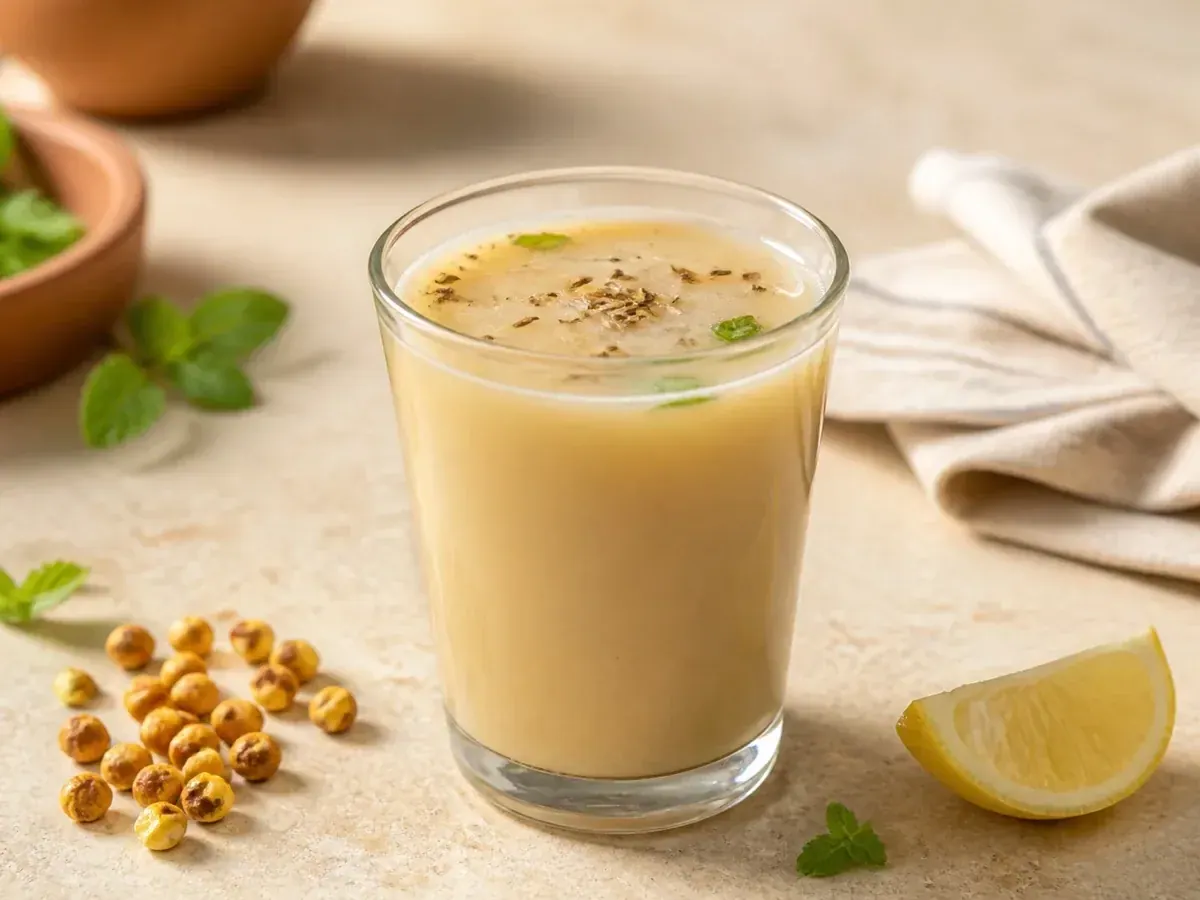
Besan is raw chana (Bengal gram) ground into a fine flour. Sattu is chana that is roasted first and then ground. Roasting gives sattu a nutty, toasted taste and means it can be mixed into drinks without further cooking.
Side by side
| Besan | Sattu | |
|---|---|---|
| Made from | Raw chana dal | Roasted chana |
| Texture | Fine, smooth | Slightly coarse |
| Taste | Mild, earthy; must be cooked | Nutty, toasted |
| Colour | Pale yellow | Light beige-brown |
| Typical uses | Chilla, pakora batter, kadhi, ladoo | Sattu sharbat, litti filling, paratha stuffing |
Can you swap one for the other?
Not directly. Raw besan tastes bitter and is hard to digest unless cooked, so it doesn’t work in an uncooked sattu drink. Sattu doesn’t bind a batter the way besan does, so chillas and pakoras made with it fall apart and taste different.
Samriddhi Bhog Besan and Sattu
Samriddhi Bhog Chana Besan is finely ground from Bengal gram. Samriddhi Bhog Chana Sattu is made from slow-roasted chana, coarsely ground. Both are chakki ground, come in 500 g packs and have no added preservatives.